Insulin and PCOS — the connection people discuss
Many people with PCOS also have insulin resistance, but PCOS has varied features and causes. Diet is one part of care and does not replace evaluation of irregular cycles, androgen-related symptoms, fertility goals, or metabolic risk.
This guide is educational, not a treatment plan. PCOS phenotypes differ. What helps one person may be too aggressive for another, especially around fertility goals or disordered-eating history.
Practical nutrition starting points
Label literacy can help compare added sugars, fiber, sodium, and serving sizes. Practice with how to read nutrition labels.
- Discuss targets with your OB/GYN or endocrinologist before large diet shifts
- No universal net-carbohydrate target treats PCOS; treat the PCOS calculator as an educational estimate
- Include varied protein foods as part of a nutritionally adequate pattern
- Build plates around eggs, fish, poultry, leafy greens, olive oil, and berries in moderation
- Track cycles, energy, waist, and labs — not scale weight alone
Fasting and the menstrual cycle
Longer fasts are not required for PCOS. Evidence does not establish special fasting windows for menstrual-cycle phases.
If meal timing worsens menstrual symptoms, fertility treatment, medication tolerance, or restrictive eating, stop and contact your care team.
What to cook this week
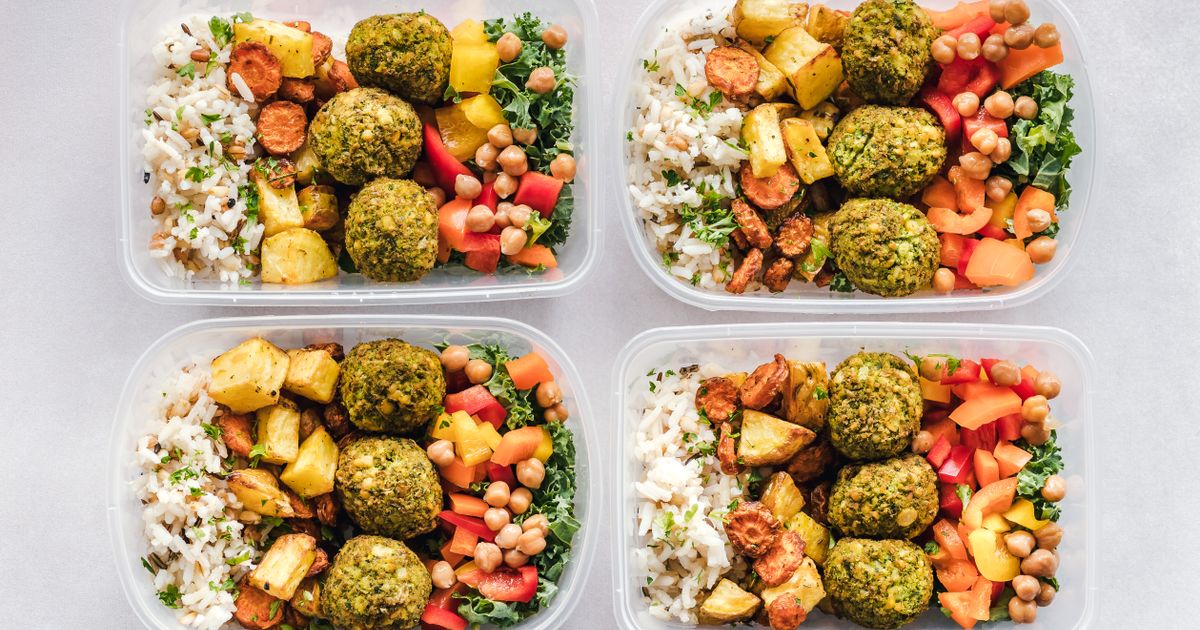
Balanced meals can include protein foods, vegetables, whole-food carbohydrate sources, and unsaturated fats. Recipes are examples, not treatments.
When diet is not enough
Low carb does not replace medication, fertility workups, or mental-health care. If cycles remain absent, symptoms worsen, or you feel obsessive about food rules, pause aggressive restriction and talk to your care team. Sustainable metabolic health beats a perfect carb count.